


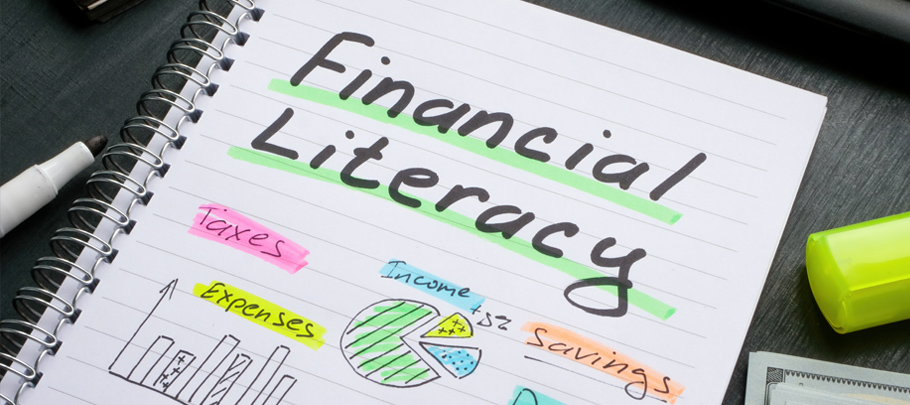
April is Financial Literacy Month — the perfect time to take a closer look at your finances and better understand what financial health looks like for you. Just like spring cleaning, it’s an opportunity to reset, refresh, and get organized.
There is no one-size-fits-all approach to improving your finances, but education is key. Whether you’re listening to financial podcasts or getting advice from local professionals, the process shouldn’t feel overwhelming — it should feel empowering. And the good news is that small, consistent actions can make a meaningful impact over time.
“Just like you go to a medical professional for your health and often get second opinions, treat your finances the same way. Get advice for your personal situation and understand your options. A second opinion can help you compare different paths and feel more confident in your decisions,” explains Heather Anderson, Personal Banker at First Mid. “You are your best advocate when it comes to your financial future, and planning is one of the strongest steps toward achieving your goals.”
5 Habits You Can Start Today to Strengthen Your Money
No matter where you are in your financial journey, these habits can be adapted to fit your goals. The most important step is building awareness and defining what progress looks like for you. Regularly checking your credit score and reviewing your spending can also help you stay informed, spot unusual activity early, and keep your accounts secure.
1. Challenge Yourself
We can all find small ways to improve our finances or keep a little extra cash in our pockets. Turning it into a challenge can make it more engaging and help keep you accountable.
Start small:
Try a no-spend weekend or cut back on the number of times you treat yourself to your favorite coffee shop.
Try a no-spend weekend or cut back on the number of times you treat yourself to your favorite coffee shop.
Go big:
Commit to a 30-day savings or spending challenge with a specific goal in mind.
2. Start or Add to Emergency Fund
An emergency fund helps you prepare for the unexpected and can reduce financial stress.Start small:
Set aside $10–$25 a week or use round-up tools to gradually build savings. Consider other ways to help jumpstart your emergency fund.
Set aside $10–$25 a week or use round-up tools to gradually build savings. Consider other ways to help jumpstart your emergency fund.
Go big:
Automate a set amount each paycheck and work toward three to six months of expenses.
Tip: If your priority is building or repairing credit, consider putting extra funds toward paying down debt. You could also explore a loan-based Certificate of Deposit (CD) designed to help build credit, like the Goal Setter Account.
3. Clean Up Subscriptions
Recurring charges can add up quickly and are easy to overlook.
Take time to review your subscriptions, from streaming services and retail memberships to apps and gym memberships. You may find services you no longer use or free trials that have quietly converted to paid plans.
Take time to review your subscriptions, from streaming services and retail memberships to apps and gym memberships. You may find services you no longer use or free trials that have quietly converted to paid plans.
Start small:
Cancel one unused subscription this week.
Go big:
Review your recent bank and credit card statements to identify and eliminate or consolidate unnecessary expenses.
4. Don’t Overlook Built-In Savings
You may already have access to valuable benefits through services you use every day. It’s also a good time to look at travel or retail discounts you may get through certain providers.
Start small:
Check if your insurance or checking account includes perks like telehealth, roadside assistance, or financial wellness tools. If you're shopping for a new account, compare the benefits offered by First Mid Benefits Checking.
Check if your insurance or checking account includes perks like telehealth, roadside assistance, or financial wellness tools. If you're shopping for a new account, compare the benefits offered by First Mid Benefits Checking.
Go big:
Actively use those benefits and combine them with smart payment strategies (like rewards cards) to maximize your savings.
5. Share Financial Knowledge
Just like teaching kindness, financial education is something you can pay forward.
With only 35 states requiring a personal finance course for high school graduation, there’s an opportunity to make an impact both at home and in your community. Use moments like Teach Children to Save Day (April 23) as a starting point to talk about earning, saving, and everyday money management.
With only 35 states requiring a personal finance course for high school graduation, there’s an opportunity to make an impact both at home and in your community. Use moments like Teach Children to Save Day (April 23) as a starting point to talk about earning, saving, and everyday money management.
Start small:
Have a simple conversation with a child or teen about saving or budgeting.
Have a simple conversation with a child or teen about saving or budgeting.
Go big:
Volunteer, support financial education initiatives, or advocate for personal finance learning in schools.
Reach Your Goals with Smart Money Habits
A great place to start with any of these habits is simply tracking your spending for a week or a month. It can give you a clearer picture of where your money is going and where you might want to make a few changes.
If you’re ready to take it a step further, you can always stop by your local First Mid branch and connect with a Personal Banker for more personalized guidance.
Think of this as a Little Wins Challenge — choose one small change to focus on this month. Over time, those small wins can add up to meaningful progress. Share your goal and encourage a friend to join you!
No matter where you’re starting from, taking that first step is something to feel good about. Even a quick check-in on your finances this month can help you stay on track and move closer to your goals.