


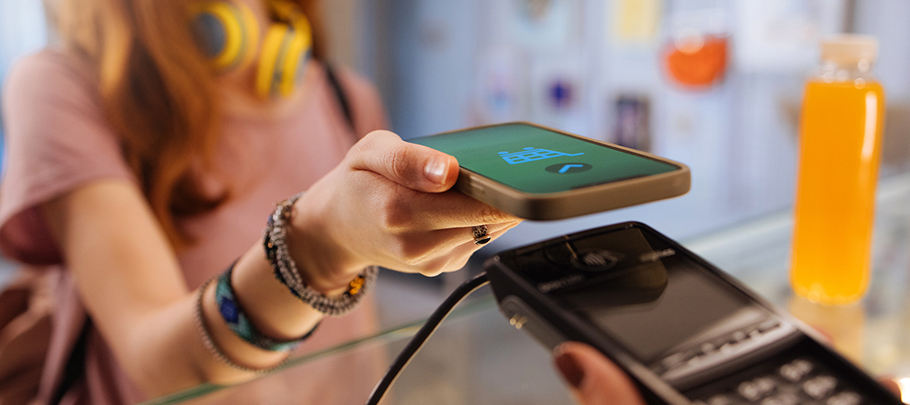
One thing most of us are rarely without is our cell phone. It has become our go-to for communication, entertainment, navigation, and everyday tasks. It only makes sense that more people are using their phones to make purchases through digital wallets. While digital wallets offer convenience and security, it's important to know how to protect them and the information connected to them.
What is a Digital Wallet?
A digital wallet is an app on your smartphone, smartwatch, or other mobile device that securely stores payment information and allows you to make purchases without carrying physical cards.
Protecting Your Digital Wallet Starts with Your Phone
Just like you lock your front door or car, your phone has a lot of personal information that needs to be protected. Keeping your digital wallet secure starts with your phone. Some easy steps to protecting your phone:
- Use a strong passcode or longer pin
- Enable Face ID or fingerprint authentication
- Set your phone to lock after a short period of inactivity
How Can You Keep Your Digital Wallet Secure?
With growing fraud and increasing use of digital conveniences in our day-to-day life, it’s important to stay on top of scams that could take advantage of your digital wallet. Ensuring you have extra layers of protection helps you stay ahead of the game if you find yourself in a tricky situation. Be sure to add these steps so you can confidently and conveniently tap and pay.
Multifactor Authentication (MFA): We've all felt that moment of panic when we can't find our phone. If your device is misplaced in a busy airport, store, or restaurant, MFA adds an extra layer of protection by requiring a second form of verification — such as a push notification, text message, or email code — before someone can access your accounts.
Automatic Alerts: By setting up automatic transaction alerts in your online and mobile banking or through your wallet app, you’re notified of transactions which can help you monitor your account and catch suspicious activity as it’s happening. It’s also a good idea to set up automatic updates to make sure your software and apps are current and working as strong as they should be.
Remote Device Tracking: Use services like Find My iPhone or Find My Device to help you locate and lock your phone if it’s lost or stolen. Remember: a stolen phone doesn't automatically mean a stolen wallet if you enable these extra security features.
Tokenization: This is one of the security features working behind the scenes. Instead of sharing your actual card number during a transaction, a digital wallet creates a unique digital token. This helps protect your account information because your real card number is typically never shared with the merchant.
Frequently Asked Questions About Digital Wallets
Are digital wallets safe to use?
Digital wallets use security features like encryption, tokenization, and biometric authentication to help protect your payment information, and you should only install wallet apps from trusted app stores. Just like keeping your physical wallet safe, it's still important to secure your device and monitor your accounts regularly.
Digital wallets use security features like encryption, tokenization, and biometric authentication to help protect your payment information, and you should only install wallet apps from trusted app stores. Just like keeping your physical wallet safe, it's still important to secure your device and monitor your accounts regularly.
What happens if I lose my phone?
Many smartphones offer remote tracking and locking features, such as Find My iPhone or Find My Device. These tools can help you locate your phone, lock it remotely, or erase sensitive information if necessary.
Can someone steal my card information from a digital wallet?
Digital wallets often use tokenization, which means your actual card number is not typically shared during a transaction. Instead, a unique digital token is used to process the payment.
Digital wallets often use tokenization, which means your actual card number is not typically shared during a transaction. Instead, a unique digital token is used to process the payment.
Do digital wallets work when traveling?
Yes. Digital wallets can be especially convenient while traveling because they reduce the need to carry multiple cards and allow for quick, contactless payments where accepted. As you’re preparing for travel, make sure you have security features on your phone and stay aware of current travel scams.
Yes. Digital wallets can be especially convenient while traveling because they reduce the need to carry multiple cards and allow for quick, contactless payments where accepted. As you’re preparing for travel, make sure you have security features on your phone and stay aware of current travel scams.
Should I remove old cards from my digital wallet?
Yes. Removing cards you no longer use can reduce confusion, make managing your wallet easier, and provide an extra layer of security. It’s also good to know that your first card will be your default card.
Yes. Removing cards you no longer use can reduce confusion, make managing your wallet easier, and provide an extra layer of security. It’s also good to know that your first card will be your default card.
Can I use a digital wallet instead of carrying cash?
In many situations, yes. Digital wallets allow you to make contactless payments at many retailers, restaurants, and service providers. However, it's still a good idea to carry a backup payment method and know how to identify counterfeit bills when handling cash.
In many situations, yes. Digital wallets allow you to make contactless payments at many retailers, restaurants, and service providers. However, it's still a good idea to carry a backup payment method and know how to identify counterfeit bills when handling cash.
Another benefit of digital wallets is that they help simplify your finances and keep you organized. Many digital wallets provide transaction history, making it easier to review purchases, monitor spending, and cut down on paper receipts — much like eStatements.
Tap & Pay with Confidence
Digital wallets are not only convenient, but they can be great for traveling. It’s one less thing to keep track of and is convenient on the go. Since you may not always have cash on you or may be at a store that does not accept cash, it’s an easy solution.
While digital wallets have reduced the need to carry cash, many people still use cash for everyday purchases, events, or person-to-person transactions. That's why fraud awareness shouldn't stop at digital payments. Knowing how to spot counterfeit bills can be just as important as protecting your digital wallet.
Like many digital banking tools, digital wallets are designed to make everyday life easier. From secure ways to pay to convenient services like Direct Deposit, these tools work together to simplify how you manage your money.